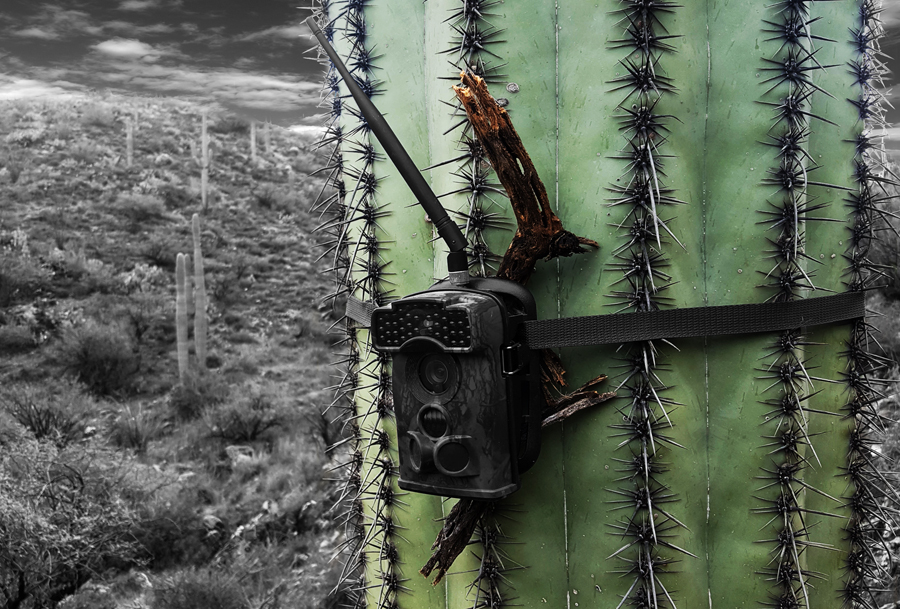
Thieves & Trail Cameras
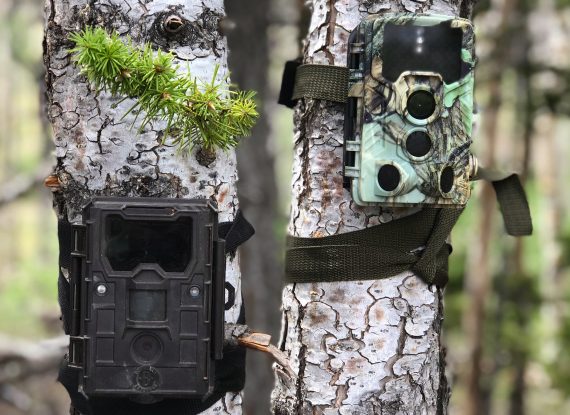
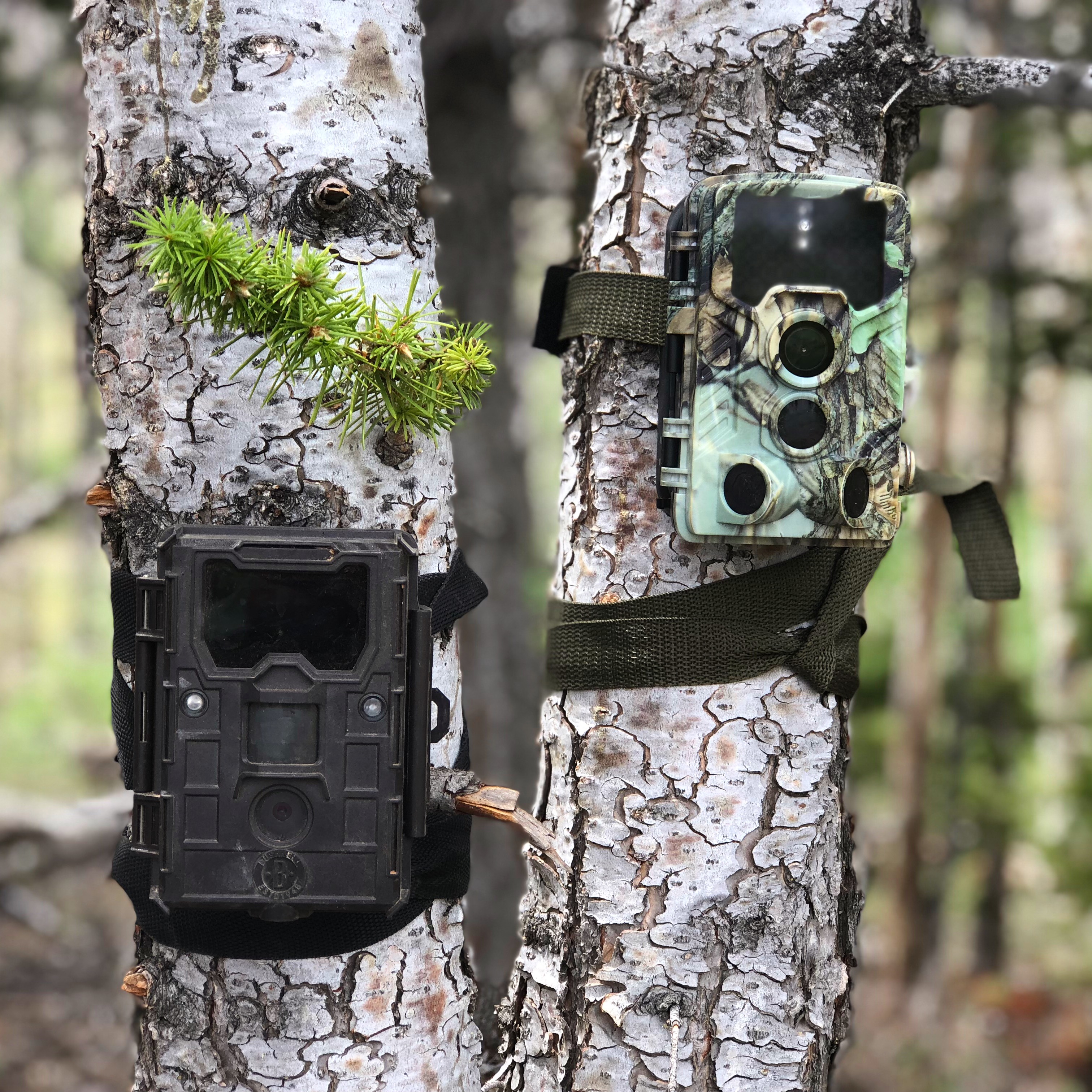
The value of trail cameras acting as your 24-hour set of eyes in the field cannot be overstated. They help us observe wildlife patterns, understand movement, and ultimately increase our chances of success. They document the unseen hours—the midnight visits, the early morning crossings, the subtle shifts that shape a season.
However, they are only valuable… if they’re still there when you return.
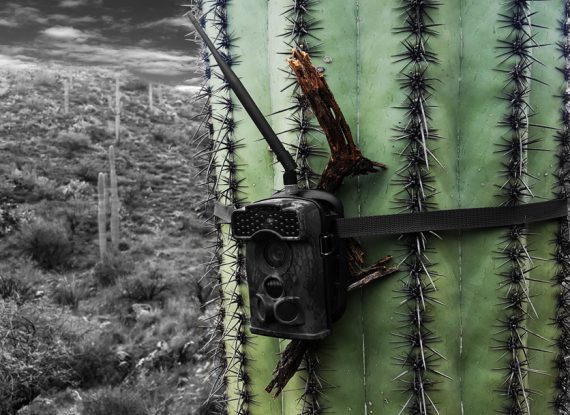
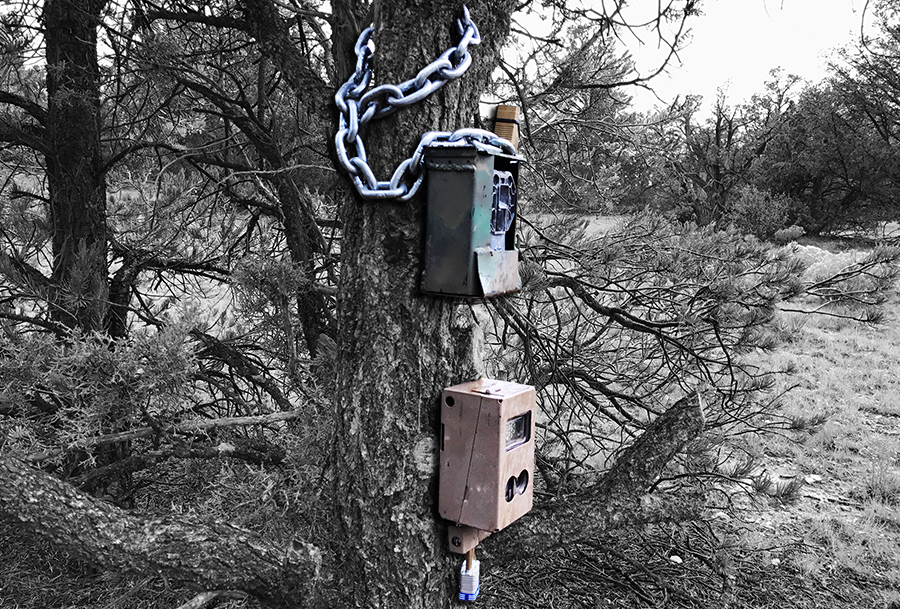
Unfortunately, there is a growing problem with trail camera theft—cameras taken from trees, posts, boulders, even from inside locked metal security boxes. SD cards removed. Equipment destroyed. It’s frustrating, costly, and deeply disrespectful to the hunting community.
Let’s be clear about one thing: removing someone else’s trail camera is theft. It is not “finding” something that was forgotten. A camera strapped to a tree and aimed at a water source or travel corridor was intentionally placed. It belongs to someone. There is a clear difference between picking up a loose bill on a busy sidewalk and unstrapping a device that someone purchased, carried into the field, and strategically positioned.
The reality is this behavior undermines trust among sportsmen and women. It creates suspicion where there should be camaraderie. It discourages ethical hunters who invest time, effort, and resources into doing things the right way.
But rather than turning this into a personal attack, it’s more productive to address the issue for what it is: a violation of both law and principle. Ethical hunting is built on respect—respect for wildlife, for land, and for one another. Theft erodes that foundation.
If someone feels tempted to take a camera, the better question isn’t “Can I get away with it?” but “What kind of sportsman do I want to be?” Hunting already faces enough scrutiny from the outside world. Internally, we should hold ourselves to a higher standard.
For those concerned about protecting their equipment, consider practical deterrents:
-
Use lock boxes and cable locks.
-
Place cameras higher and angle them downward.
-
Position them off obvious focal points like directly over water.
-
Use cellular cameras that notify you of movement or tampering.
-
Label equipment clearly with contact information.
Ultimately, trail cameras are tools—tools that help tell the larger story of the hunt. Stealing them doesn’t just cost someone money; it damages the integrity of the community.
Ethical hunters know who they are. They respect the work of others. And they leave what isn’t theirs exactly where they found it.