The Chase is On
The Chase is On
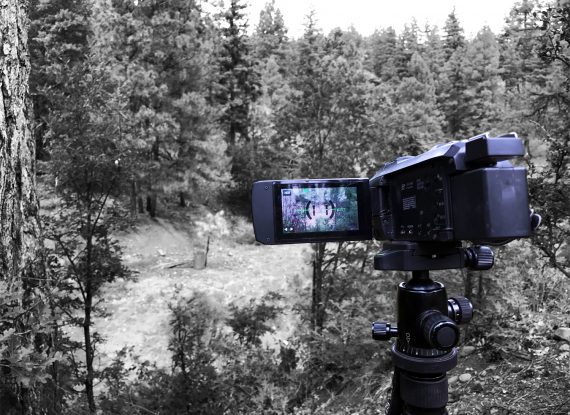
Self-filming a hunt is challenging under the best conditions. Trying to capture the full essence of the experience—the landscape, the wildlife behaving naturally, the tension of the moment, and ultimately a successful harvest—can feel overwhelming. You’re not just the hunter. You’re the cameraman, producer, and storyteller all at once.
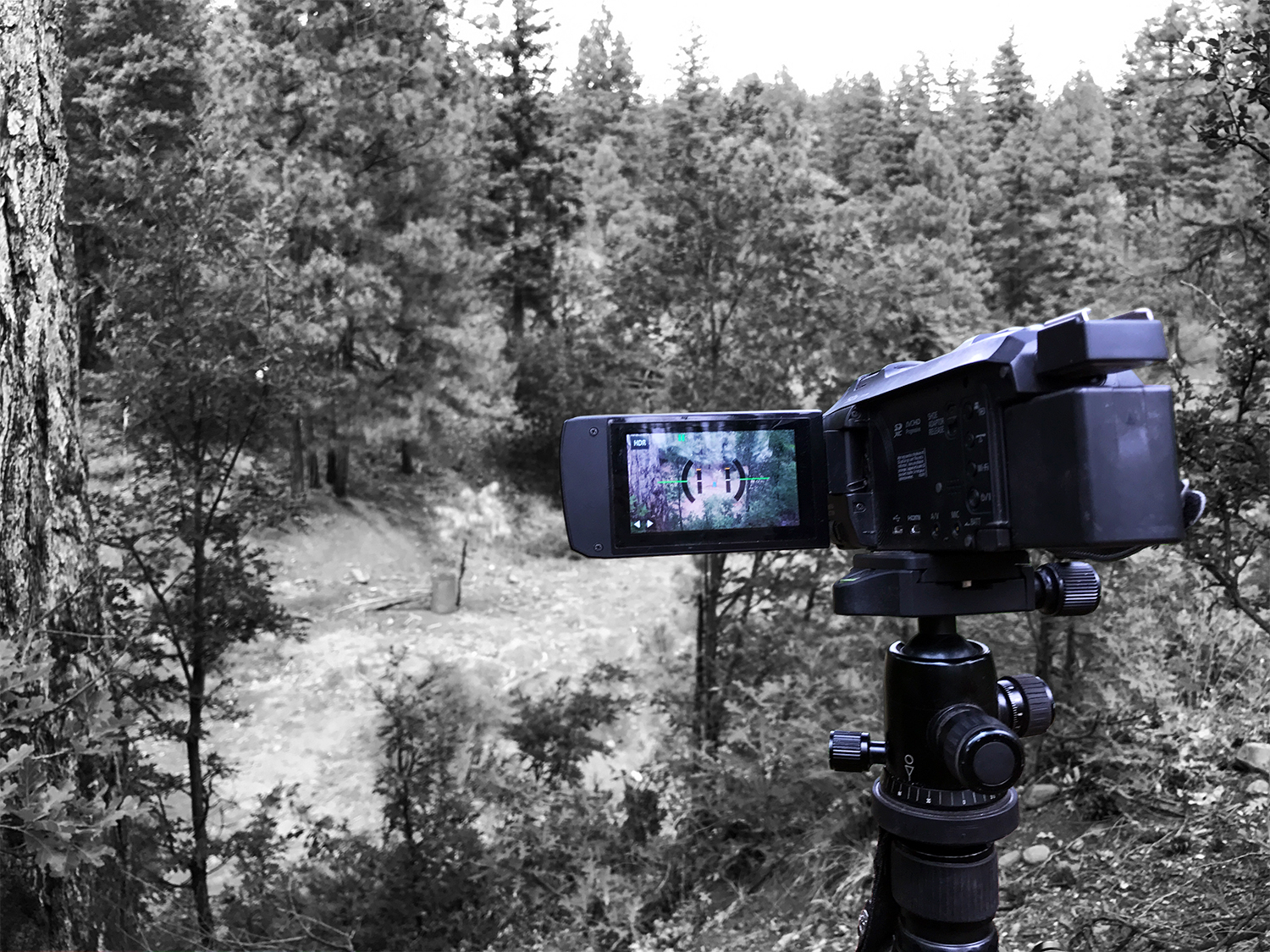
Are some hunts easier to film from a tree stand or ground blind? Possibly. A fixed position gives you control over camera placement, framing, and pre-focus. But even then, nothing is guaranteed. Animals rarely cooperate with your angles, lighting changes without warning, and the moment you’ve been waiting for can unfold in seconds.
In my experience, the most difficult hunts to self-film aren’t the slow ones—they’re the action-packed hunts where you’re constantly on the move. And nothing tests that more than a mountain lion hunt with hounds. When those dogs strike and the chase begins, everything changes. You’re running toward distant bawls echoing through canyons, climbing over deadfall, sliding down loose rock, lungs burning, heart pounding. Trying to operate a camera in that chaos feels nearly impossible.
If your sole purpose is to capture the kill shot, a mountain lion hunt will likely produce a very short video. The tree, the lion, the shot—that’s only a small fraction of the experience. The majority of the hunt is the pursuit: the cold morning rig strike, the dogs working out a track, the anticipation as the sound tightens and becomes urgent. On film, that can look like shaky terrain and heavy breathing. But that doesn’t mean it lacks value.
In fact, that’s where the real story lives.
Any film—and any story—is what you choose to make of it. The footage of boots scrambling uphill, the frost hanging in the air, the handler listening intently to his pack, the raw exhaustion etched across your face—those elements communicate authenticity. They place the viewer inside the hunt rather than simply showing them its conclusion.
Every hunt carries multiple storylines. There’s the pursuit. There’s the landscape. There’s the dogs. There’s the physical demand. There’s the ethical decision at the tree. When you begin to see those layers, your mindset shifts from “capturing a shot” to “capturing an experience.”
That shift is what separates a short film from a simple hunting video. It’s not just about documenting an outcome—it’s about preserving the integrity of the experience. When you focus on that, even the most chaotic, breathless mountain lion chase can become compelling, immersive storytelling.