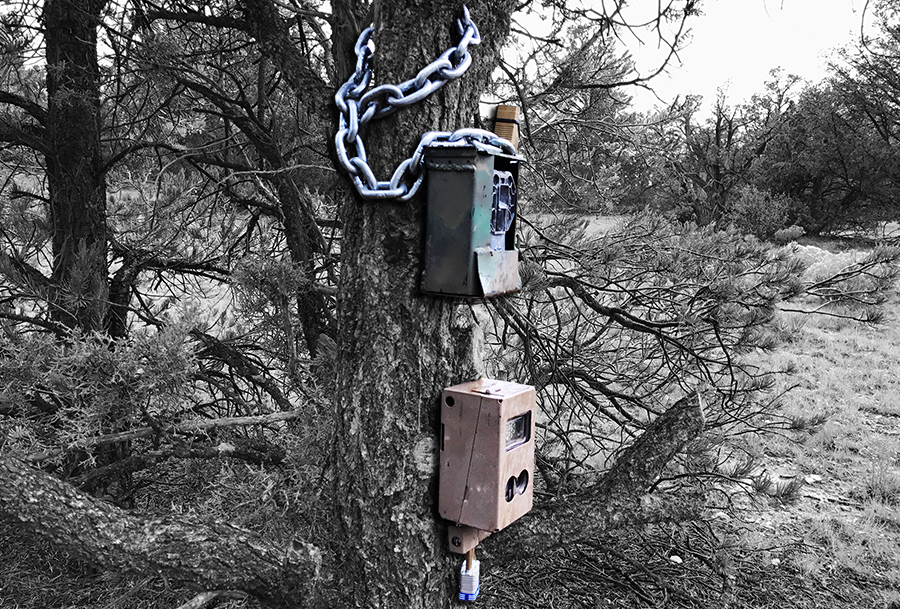
The Ever Important…. Trail Camera
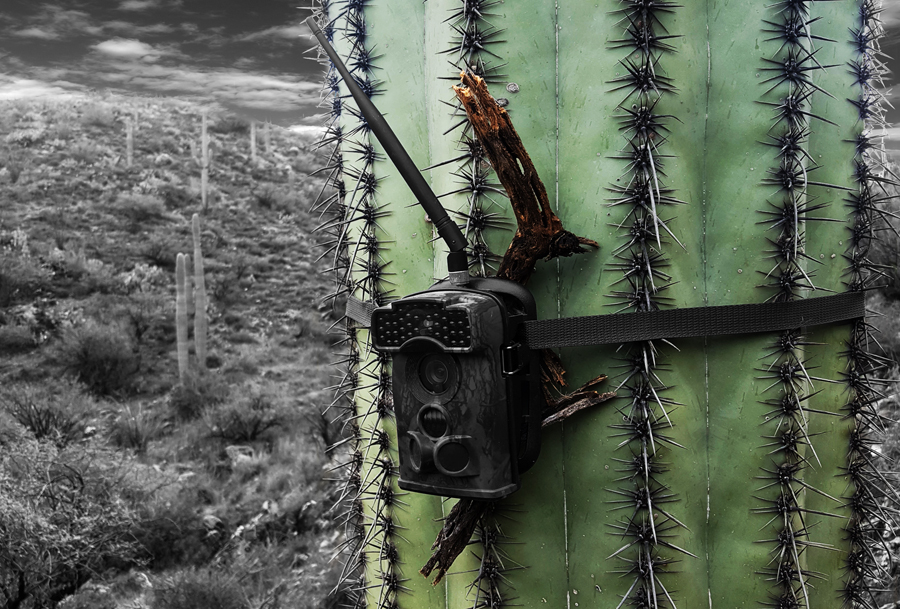
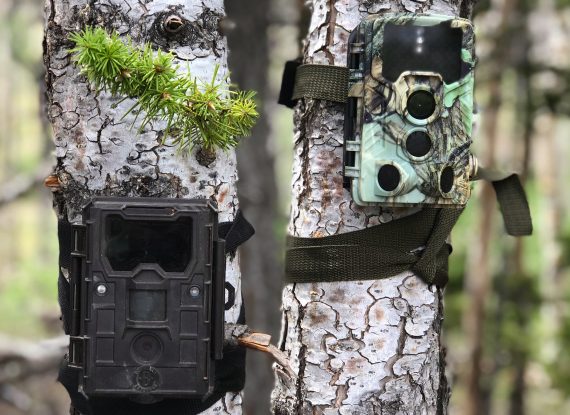
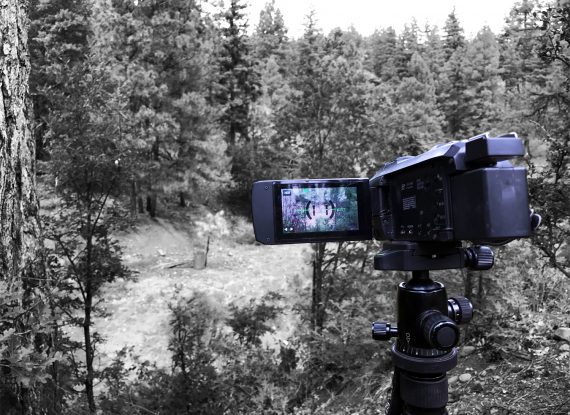
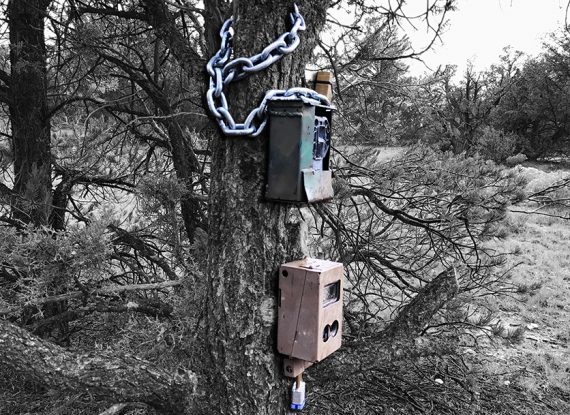
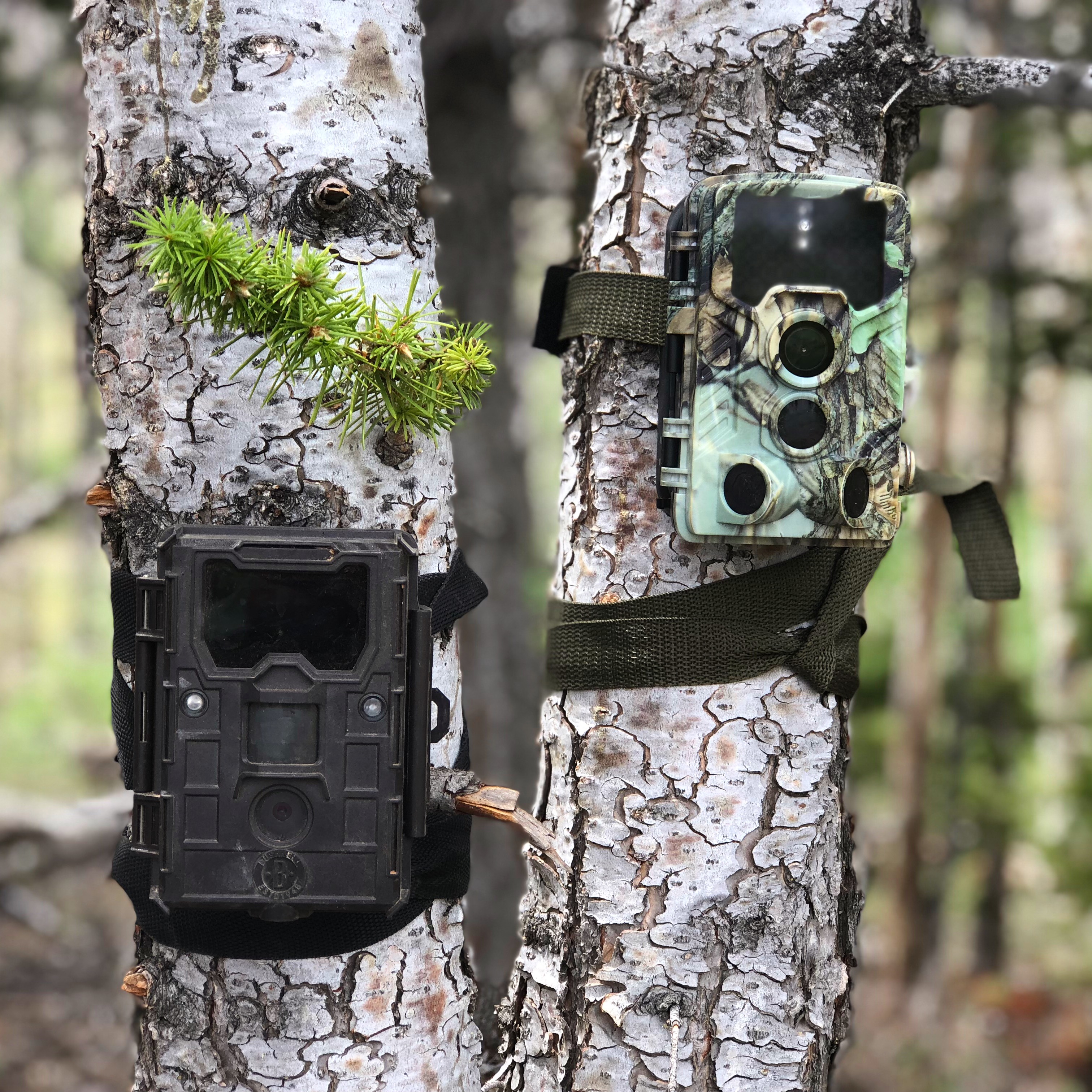
The use of trail cameras extends far beyond simple scouting. While they are invaluable for observing wild game and preparing for a hunt, they can also become powerful storytelling tools within your short films. As self-filmers, we are limited by time, presence, and manpower. We can only capture what unfolds in front of us while we are physically there—and we are a one-person crew.
Wildlife, however, moves on its own schedule.
Trail cameras fill that gap. They document what happens when we’re absent from the field—midnight visits to a scrape, early morning activity at a water source, a mature bull slipping through a saddle at first light. These are moments we would likely never witness firsthand, yet they are part of the larger story unfolding in that landscape.
Incorporating trail camera footage into your film adds depth and dimension. It can establish a target animal’s pattern, show progression over time, or reveal behaviors that build anticipation before the hunt even begins. A sequence of nighttime photos leading up to daylight movement can create tension. A short video clip of a buck working a scrape adds authenticity and character. These pieces provide context and elevate your project from a simple recap to a layered narrative.
A good trail camera, used intentionally, can be invaluable to the overall quality of your film. The footage—whether still images or video—becomes supporting evidence to the story you’re telling. It bridges the gap between preparation and execution. It shows that the hunt didn’t begin the morning you hit record; it began weeks earlier with observation, strategy, and patience.
The choice between photo mode and video mode ultimately depends on how you plan to use the content. Photos can be powerful for building timelines and highlighting growth or consistency. Video clips offer movement, sound, and a more immersive feel. Some filmmakers prefer one over the other, while others strategically use both.
At the end of the day, trail cameras are more than scouting devices. They are silent cameramen working around the clock. When integrated thoughtfully, they add another layer of realism and integrity to your short film—capturing the wild when you cannot.