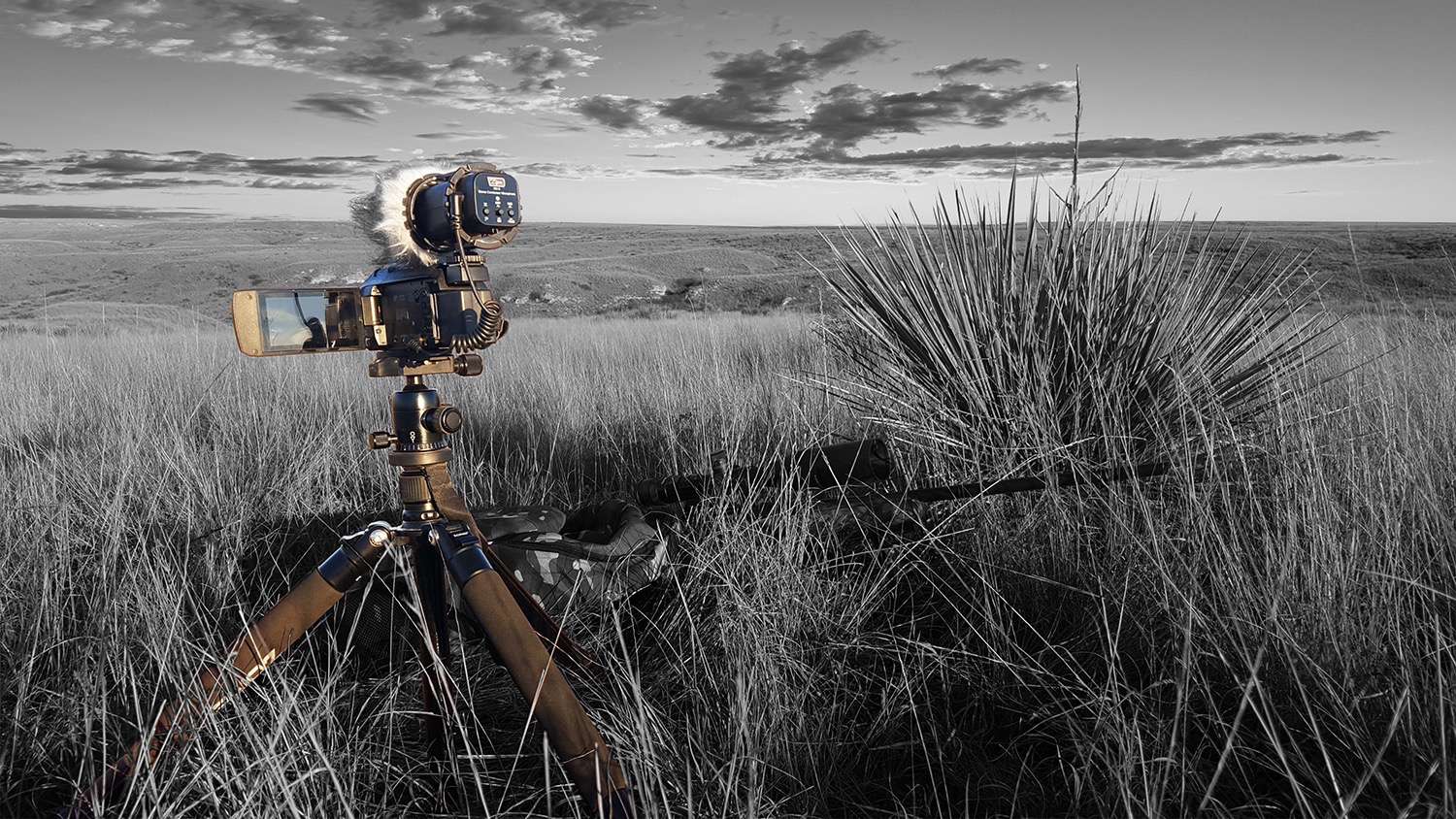
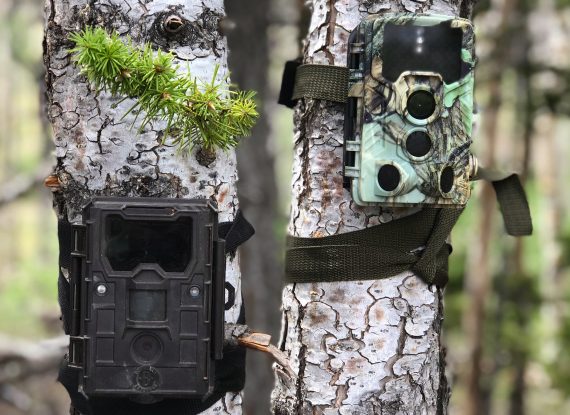
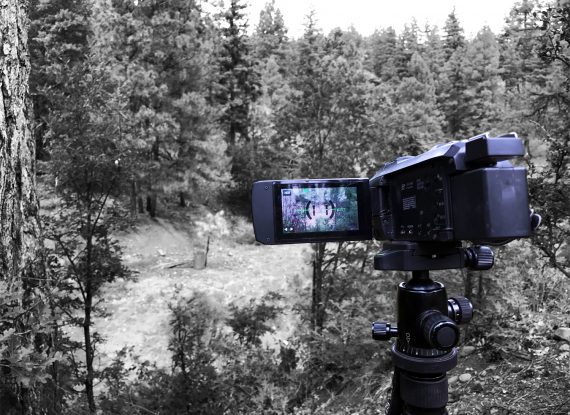
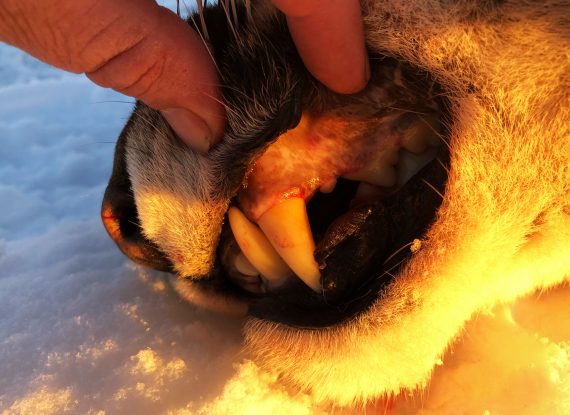
You have to be at least half crazy to self-film your own hunts—but embracing that challenge is well worth the reward. As if pursuing big game wasn’t demanding enough, adding a camera to the equation introduces an entirely new layer of complexity. When the moment of truth unfolds, hunters already have a dozen variables racing through their minds. Self-filming simply adds a few more to the list.
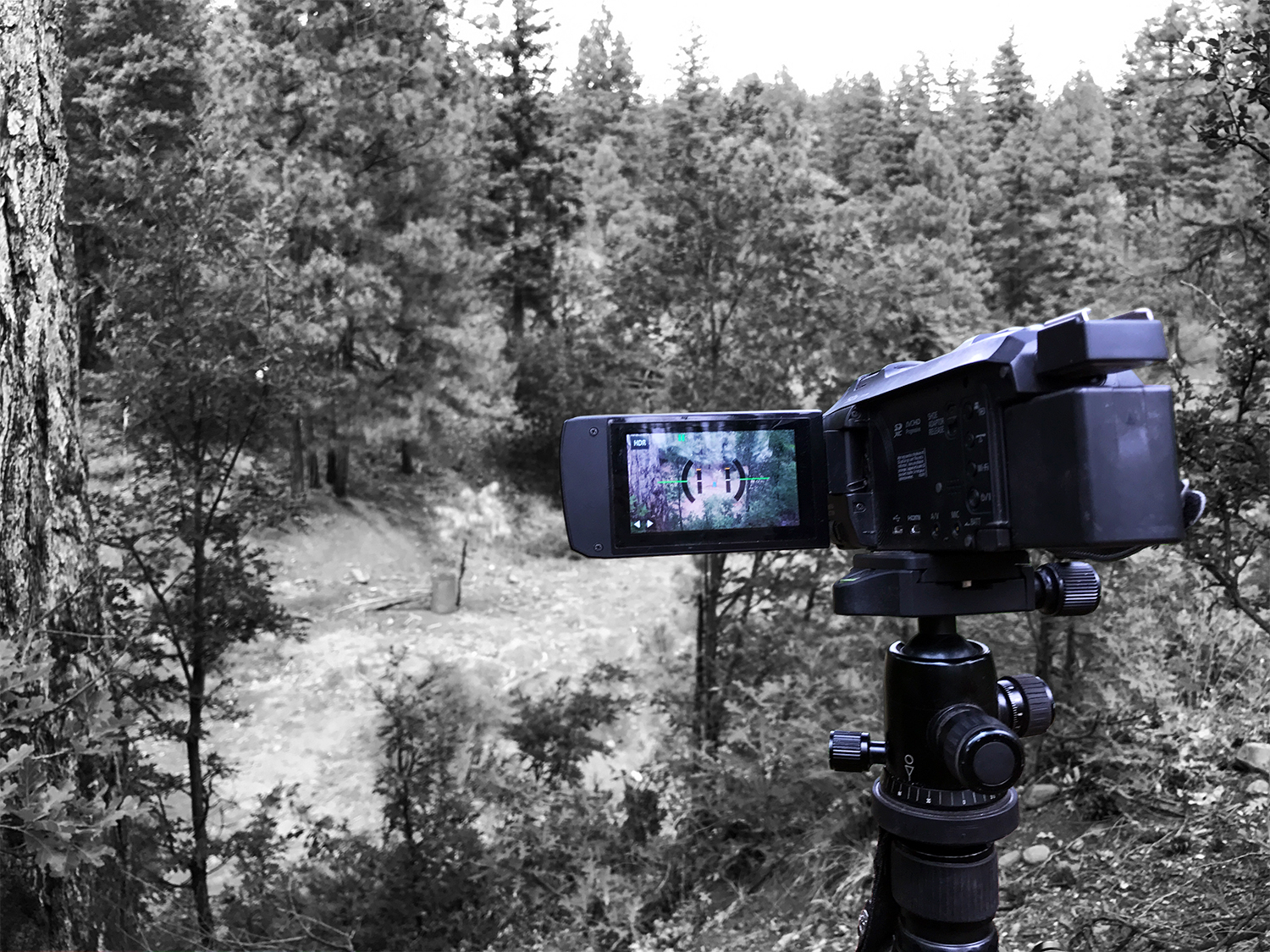
Creating a compelling short film around a hunting or outdoor experience requires discipline. It’s not just about turning the camera on when an animal appears. It’s about building sequences—wide establishing shots, detailed cutaways, environmental audio, transitions that move the viewer from preparation to pursuit. It takes time to set up angles, reposition tripods, capture B-roll, and document the subtle moments that give the story depth. All of that effort comes at a cost: time spent filming is time not spent glassing, scouting, or moving.
Then there’s the challenge of invisibility. Filming wildlife at close range—or even from distance—requires patience and awareness. You must operate quietly, move deliberately, and think ahead. One careless adjustment can compromise both the footage and the hunt.
But this is where the creative side of self-filming becomes powerful.
No two hunts are ever the same. Terrain changes. Weather shifts. Animal behavior varies. Personal emotion evolves. That means no two films should feel identical either. There are countless ways to frame a story—through perspective, pacing, narration, silence, or raw ambient sound. You can emphasize the grind, the solitude, the strategy, the landscape, or the emotional weight of the outcome.
Just because something is done a certain way on mainstream television doesn’t mean it’s the only way—or even the best way. Television often follows structure dictated by time slots and sponsors. Short films don’t have to. You have the freedom to experiment. To slow things down. To strip them back. To focus on authenticity over polish.
Develop your own identity in the way you capture experiences. If you film the same way everyone else does, you’ll blend into the noise. Originality—whether in camera movement, storytelling style, or editing approach—is what makes your work stand apart.
There’s also a practical side to the self-film approach. Operating as a one-person crew significantly reduces overhead costs. Fewer people, less gear, less logistics. That efficiency creates more flexibility and provides greater value should you pursue sponsorship opportunities. When you can produce quality content without a large production budget, the return on investment becomes far more attractive.
In the end, self-filming is equal parts challenge and opportunity. It demands more from you—but it also gives you complete control.