Self-Filming Rifle Hunts is easier….or is it?

There is nothing easy about self-filming while hunting. Anyone who has tried to do both at the same time understands that immediately. Yes, during a rifle hunt you may be able to get away with a little more movement and noise compared to sitting twenty feet up in a tree with a bow in hand. But rifle hunts bring their own unique set of challenges—especially when they involve covering country and executing spot-and-stalk tactics.
On most rifle hunts, you’re either shooting from distance or closing the gap through careful stalking. In either case, preparation is everything. Any time you have the opportunity to reach your location early and set up, take it. Being ready before the action unfolds is one of the most important aspects of successful self-filming.
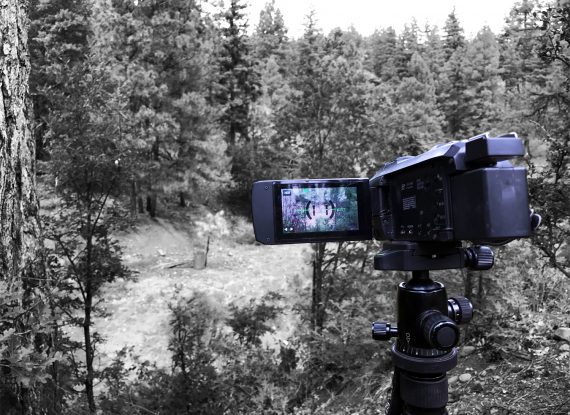
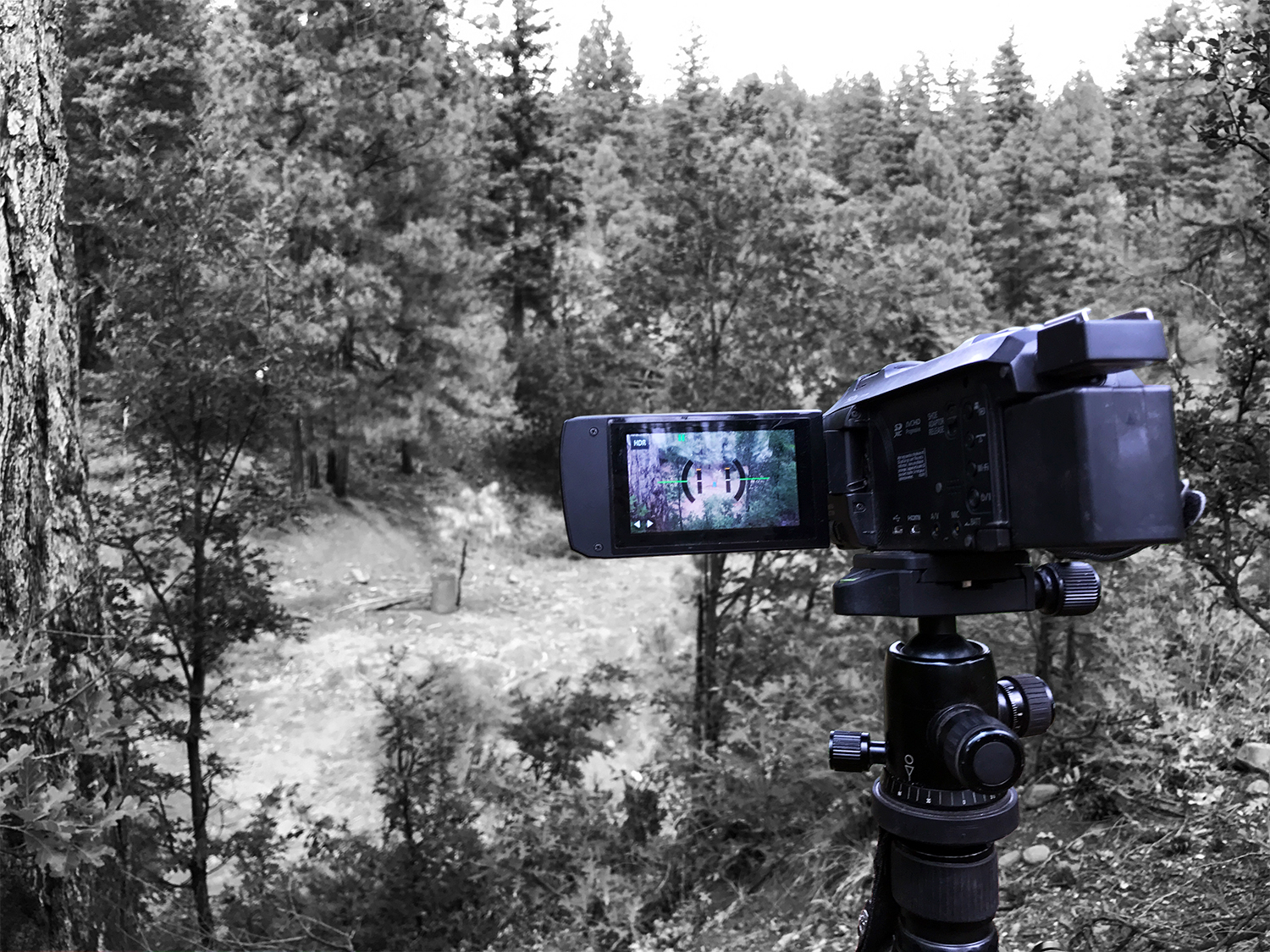
If you’re hunting from a ground blind over a food plot or tucked against a bluff overlooking water, you’ll likely be running a tripod. Once it’s set, filming becomes much more manageable. The tripod provides stability, clean footage, and smoother transitions when the moment arrives. However, it’s one more piece of gear you have to carry into the field.
Ground blind filming does offer advantages. The concealment allows you to make subtle adjustments with the camera that might otherwise spook game in the open. But it also presents limitations. The window opening dictates your filming angles, and animals don’t always cooperate by stepping into the perfect frame. Relocating a tripod inside a blind can be awkward and time-consuming—time you should be using to prepare for the shot. In the heat of the moment, a tripod can also become an obstacle, something to bump into or knock over.
Give yourself room. Set the camera on your most comfortable side of the blind opening, leaving as much space as possible for drawing, shouldering your rifle, or repositioning quietly. When seconds matter, simplicity wins.
Spot-and-stalk hunting is an entirely different challenge. It can be incredibly rewarding, but self-filming it raises the difficulty level significantly. The number one rule in this style of hunting is to pack light. Every ounce matters when you’re climbing ridges or crawling through sage. While it’s not practical to carry your rifle and tripod-mounted camera in your hands simultaneously over long distances, both must remain easily accessible. You never know when you’ll crest a rise and find yourself suddenly within range.
Speed and efficiency become critical. The faster you can deploy your tripod, frame the shot, and transition into shooting position, the more natural and complete your footage will feel. The primary drawback, of course, is the added weight. You’re carrying camera gear the majority of the time without knowing if the opportunity will present itself. But that extra effort often leads to a richer film. Movement creates encounters. Encounters create story.
Ultimately, success in self-filming comes down to preparation and repetition. Practice your setup before the hunt. Rehearse deploying the tripod quickly. Get comfortable operating your camera without looking at it. When the moment finally arrives, muscle memory will take over.
Be prepared. Stay adaptable. And above all, be ready for anything.