Camera Set-up…. Which One?
Camera Set-up…. Which One?
When it comes to choosing a camera for your hunts, there are several solid options available. The debate between a traditional video camera and a point-and-shoot model with strong video capabilities ultimately comes down to personal preference and the type of hunt you’re filming. Is one better than the other? In certain situations, absolutely. But the best camera is always the one that performs reliably for what you’re trying to capture in the field.
Personally, I use both types of cameras on my hunts, along with a few GoPros and even cell phone footage as secondary options. If it records video, I’ll use it when needed. In the field, things often unfold faster than expected. Bulls step into openings without warning. A buck appears on the edge of shooting light. A predator commits in seconds. Being resourceful with your equipment—and knowing how to adapt—can mean the difference between capturing the moment and missing it entirely.
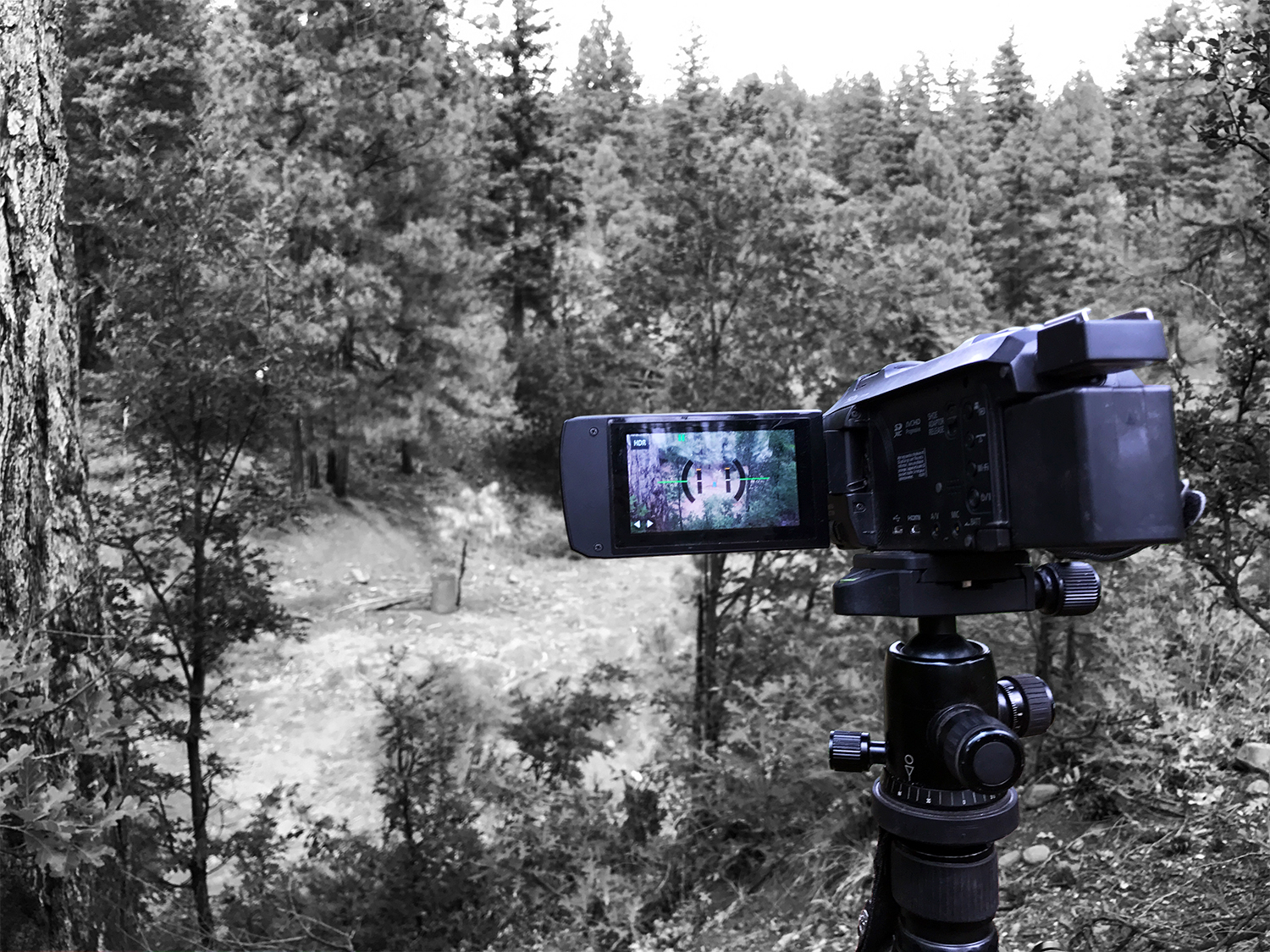
For a primary camera, my preference is a straightforward video camera. The biggest reason is the speed and control of manual focus. If you’re not using manual focus, I strongly recommend learning to. It makes a tremendous difference in the final quality of your footage. Autofocus can hunt at the worst possible moment, especially with brush, limbs, or low light conditions. Manual focus gives you control, sharpness, and consistency. It also provides far more flexibility during editing, especially when you’re trying to build tension or isolate a subject within the frame.
That said, traditional video cameras do have limitations—particularly when it comes to extended zoom range and clarity at distance. This is where many point-and-shoot models shine. They often offer superior optical zoom, allowing you to capture crisp footage of animals that hang up at longer distances. On spot-and-stalk hunts, where you can’t predict how far your opportunity will be, that added reach can be invaluable.
Does it make sense to carry one of each camera on every hunt? Probably not. Weight, bulk, and practicality always matter. However, on certain hunts—especially open-country spot-and-stalk scenarios—I will carry both types. The uncertainty of distance and terrain makes versatility worth the extra effort. If I’m filming from a tree stand or ground blind, though, I typically stick with my video camera. In a controlled setup where distances are known and movement is limited, it performs exactly the way I want it to.
At the end of the day, successful self-filming isn’t about having the most expensive gear. It’s about understanding your equipment, knowing its strengths and limitations, and being prepared for the unpredictable nature of the hunt. Adaptability in the field will always outperform perfection on paper.